
Find clear answers to the most common questions about our coaching, workshops, and approach to personal growth.
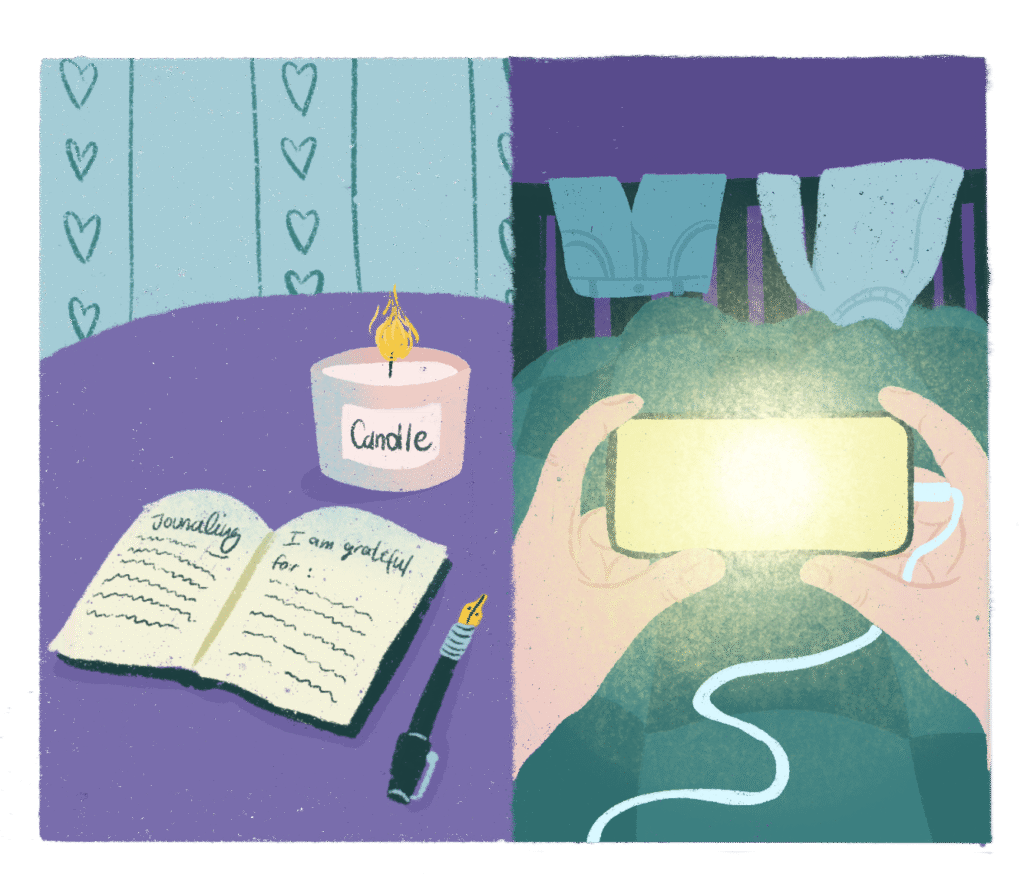
One‑to‑one coaching is for people who are truly ready—to commit, to show up, to be consistent. If you’re ready to make change, invest in yourself, and collaborate with someone who holds space for your growth, this is for you. If you feel you are not yet ready to dedicate that consistency, then my online courses with micro‑steps can serve as the first phase. When you are ready, we partner on your journey—towards your desired life and goals.
Therapy and coaching both support personal growth, but their focus and purpose differ. In therapy—drawing on Freud’s psychoanalytic tradition—the emphasis is often on uncovering unconscious conflicts, exploring past experiences and resolving emotional wounds. Freud proposed that much of our behaviour is shaped by impulses and memories beneath the surface of awareness.
In coaching, the emphasis is more forward‑looking: clarifying where you want to go, designing action steps, using tools and frameworks to get you there. Adler, for instance, emphasised goal‑directed behaviour: "look forward, not backward".
Think of therapy as exploring why you do what you do, and coaching as guiding how to move toward what you want.
Art‑therapy offers a different language of expression—one that doesn’t rely solely on words. As Carl Gustav Jung observed:
“Art is a kind of innate drive that seizes a human being and makes him its instrument.”
In coaching, I integrate art‑based tools (for example, drawings, collages, visual frameworks) alongside visualization and reflection. These help subconscious material surface in a safe way, and assist you to both see and shape your internal world of thoughts, feelings and goals. Because when words are limited, images invite what is beneath the surface.
The length and form of coaching depend on your goals and needs. Many clients begin with an intensive 6‑month programme focused on pressing change. After that, a one‑year plan helps refine and embed progress. Over the long‑term (a five‑year or more relationship), we shift into check‑ins, recalibrations and supporting your evolving path. What remains constant is having a safe, non‑judgmental space—a sounding board—so you keep moving toward what matters.
A safe space allows honesty, vulnerability, experimentation and growth without fear of judgement. When you know you have a supportive yet accountable partner, you’re more likely to take risks, try new strategies, reflect deeply, and sustain momentum.
Coaching is a good fit if you are ready to act: to set clear goals, invest time, reflect and implement changes. If you are feeling stuck, sense there’s more possible, or you want support moving from wanting to doing—coaching can help you accelerate. If you’re curious but not ready to commit fully, the online courses can offer you a gentle start.
In a typical session we:
clarify where you are now
review your goals and commitments
explore obstacles and opportunities (using visualization, reflection or art‑based tools, frameworks I’ve designed)
co‑create next steps you can implement
set accountability for your progress
Each session builds momentum and layers insight with action.
No, coaching does not replace therapy. Therapy can be essential when emotional healing, trauma, or deep inner work is needed—addressing foundational issues of the past, as Freud emphasised. Coaching is forward‑facing and action‑oriented. For many people, therapy and coaching can complement each other: therapy for healing, coaching for momentum and growth.
Yes—you can absolutely do coaching online. Online sessions offer flexibility, accessibility and convenience. On‑site/in‑person coaching is also possible if it fits you. Many clients use a hybrid approach. The key is commitment, presence and connection—not the medium.
Explore courses designed to help you reconnect with yourself, build new habits, and create meaningful change—at your own rhythm and from anywhere.